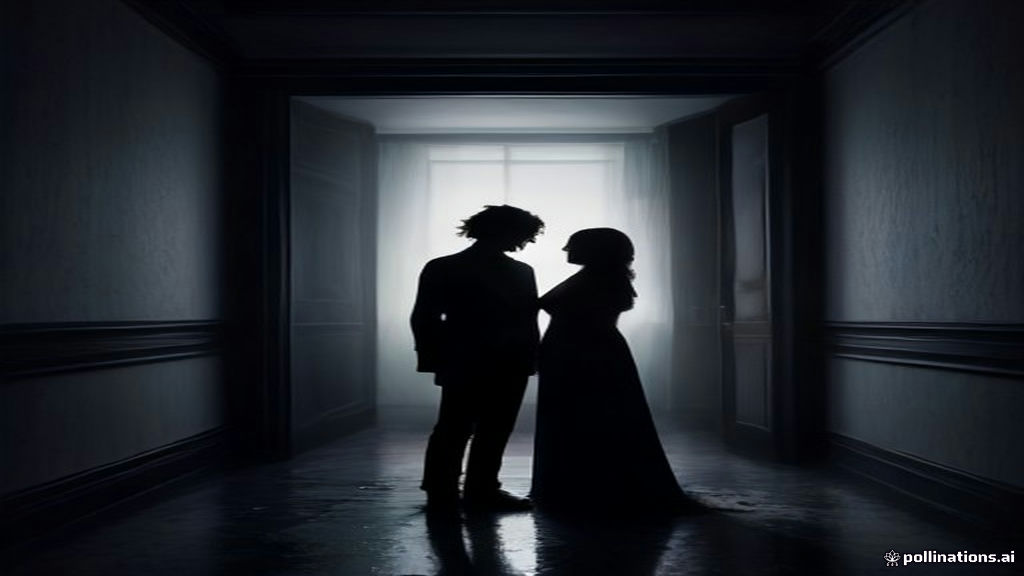
Fighting Loudly with Your Partner Dream Meaning
Exploring the fighting loudly with your partner dream meaning can be reassuring if you woke up with a pounding heart and a lingering taste of conflict. Waking from a midnight screaming match with the person you love most often leaves an uncomfortable emotional residue, but this vivid dream rarely means your relationship is doomed. Instead, sleep research and depth psychology suggest that intense nocturnal arguments usually highlight internal stress, suppressed feelings, or your brain’s natural process of emotional recalibration during REM sleep.
When you shout, throw accusations, or experience intense anger toward your partner in a dream, your nervous system is processing real physiological arousal while your motor muscles remain paralyzed in sleep. The contrast between physical immobility and extreme auditory volume in the dream state creates a uniquely startling experience. Understanding why your mind chose such a loud, unsettling scenario requires looking at how your daytime interactions, unvoiced anxieties, and subconscious mind interact while you sleep.
Dream research supports the continuity hypothesis, which proposes that our dreams naturally mirror our waking concerns, central relationships, and emotional habits. Rather than serving as a prophecy of future breakups, a dream about a screaming confrontation acts as a mirror for what is happening beneath the surface of your waking mind.
Why Did the Argument Feel So Loud and Out of Control?
The sheer volume of a dream argument is often what shocks people the most. You might remember the distinct sense of strain in your voice, the echo of slamming doors, or the harsh tone of your partner’s responses. In cognitive sleep science, vivid and emotionally charged dreams happen predominantly during Rapid Eye Movement (REM) sleep. During this phase, the amygdala—the brain’s emotional threat center—is highly active, while the prefrontal cortex, which governs logic and social restraint, dials down its activity.
This neurochemical shift means that feelings of frustration or vulnerability, which you might easily manage or downplay during the day, get amplified into dramatic, high-volume scenarios at night. If you have been keeping the peace at home by biting your tongue, your brain uses the uninhibited landscape of REM sleep to discharge that pent-up pressure. The extreme noise in the dream is less about the literal topic of the fight and more about the volume of the emotion you have not fully processed while awake.
Furthermore, when stress levels rise due to work, family obligations, or internal self-criticism, your brain often drafts your romantic partner as the co-star in your stress dreams. Because your partner is your primary bond of safety, they become the most natural blank canvas for your subconscious to express fear, resentment, or raw exhaustion.
Decoding the Fighting Loudly with Your Partner Dream Meaning Through Psychology
From the perspective of depth psychology, particularly Carl Jung’s framework, every person appearing in your dream can represent an aspect of your own psyche. While it feels like you are screaming at your real-life companion, you may actually be engaged in an internal dialogue with your own shadow—the disowned, unexpressed, or uncomfortable parts of your personality.
Jung introduced the concept of compensation, suggesting that dreams balance out our conscious attitudes. If you pride yourself on being exceptionally gentle, agreeable, or passive during the day, your mind may compensate at night by generating an explosive verbal fight. The dream forces you to encounter your own capacity for anger, boundaries, and vocal self-assertion. In this context, the fighting loudly with your partner dream meaning reflects an internal push to integrate your suppressed assertive energy rather than evidence that you dislike your spouse.
Sigmund Freud offered a related view through his concept of day residue and dream-work. Small, seemingly minor moments from yesterday—a dismissive tone over breakfast, an unfinished task, or a subtle feeling of being unheard—can become magnified during sleep. What felt like a minor bump during waking hours gets built into a full-scale shouting match by night, allowing your subconscious to explore the full emotional weight of that small moment.
Sometimes, these dramatic dreams are accompanied by intense fears of abandonment or betrayal. If your dream argument touches on deeper themes of trust or emotional distance, you might also find insight in understanding the partner confessing a secret dream meaning, which explores how unexpressed anxieties manifest as dramatic revelations during sleep.
How Folk Traditions and Cultural Lore View Noisy Relationship Dreams
Throughout history, long before modern neuroscience, human cultures turned to symbolism and folk traditions to interpret intense relationship dreams. Interestingly, traditional dream folklore frequently interpreted loud nocturnal arguments through the law of opposites or inverse symbolism.
In classical Mediterranean and ancient Greek dream interpretation—such as the texts recorded by Artemidorus in the second century—dreaming of a loud quarrel with a spouse was often viewed as a positive omen for domestic stability. The ancient reasoning held that loud noise in a dream served as a cathartic expulsion of bad fortune or evil intent. By unleashing the tension safely in the realm of sleep, the household was thought to be cleansed of lingering discord, paving the way for harmony in waking life.
In various Celtic and Old English folk traditions, screaming matches in dreams were seen as warnings regarding clear communication. Lore suggested that a noisy dream conflict meant important words were being buried in waking life. The belief was not that a real fight was imminent, but that honest conversation was long overdue. Similarly, traditional Eastern folklore views dream arguments as signs of energetic clearing, suggesting that when emotion boils over in sleep, it prevents destructive anger from manifesting in physical reality.
Is the Dream Showing You Real Relationship Problems or Just General Anxiety?
It is natural to wake up from a intense dream fight and look at your sleeping partner with sudden suspicion or worry. However, distinguishing between relationship-specific issues and general background anxiety is essential before drawing quick conclusions.
To evaluate what your dream is attempting to highlight, consider where the emotional weight lies:
- General Stress and Burnout: If the argument in the dream was chaotic, irrational, or revolved around absurdity (such as screaming over a misplaced shoe), it likely reflects generalized stress, fatigue, or sensory overload from your job or daily life.
- Unaddressed Waking Needs: If the dream fight focused on specific, repeating real-world themes—such as feeling unsupported, unheard, or financially anxious—the dream is likely reflecting legitimate emotional needs that warrant a calm, conscious discussion.
- Fear of Vulnerability: If the argument was driven by intense fears that your partner might walk away or prefer someone else, the dream may stem from personal self-doubt or relationship insecurity rather than any actual wrongdoing by your partner. If these themes recur, reading about dreaming of your partner leaving you for someone else can help clarify the difference between insecurity and real-world relationship signals.
Remember that dreams do not reveal hidden objective truths about what your partner is thinking or doing. They reveal *your* internal emotional state, your fears, and your personal coping mechanisms.
How to Handle the Morning After a Dream Argument
Waking up after a night of intense dream conflict requires a grounded approach. The mood generated during REM sleep can easily bleed into your morning coffee if you are not deliberate about resetting your nervous system.
First, pause before bringing the dream up to your partner. If you choose to share it, frame it with lightness and clarity rather than accusation. Saying, “I had a stressful dream where we were screaming at each other, and it made me realize I’ve been feeling a bit overwhelmed lately,” is far more productive than starting the day with, “Why were you yelling at me in my dream?”
Second, take time to reflect on your own emotional boundaries. Are you taking on too much responsibility at work or home? Have you been hiding your true feelings to avoid real-world conflict? Often, once you address the underlying stress or give voice to a quiet concern, the loud arguments in your sleep naturally subside. If your dream ended with an attempt at peace or if you felt a sudden release after the shouting, you may also find comfort in exploring the hugging partner after a fight dream meaning, which highlights how the mind transitions from conflict to emotional repair.
Questions People Ask About Loud Arguments with a Partner in Dreams
What if I was the only one yelling in the dream while my partner stayed quiet?
When you are the sole aggressor in a dream argument while your partner stands silently or ignores you, the dream often points to feelings of isolation or helplessness in expressing yourself. It suggests you feel your waking concerns are not landing or that you are carrying the burden of emotional communication alone. Psychologically, it can also reflect self-frustration—you may be angry at yourself for failing to set clear boundaries earlier.
Does screaming at my spouse in a dream mean I am losing feelings for them?
No, screaming at your partner in a dream does not mean your love is fading. In fact, intense emotion in dreams usually signals a deep investment in the relationship. We rarely waste intense dream energy arguing with people who mean nothing to us. The presence of strong anger often masks underlying feelings of fear, vulnerability, or a desire for closer connection.
Why do I dream about fighting loudly with my partner in front of a public crowd?
Public dream arguments add a layer of social embarrassment or judgment to the conflict. This scenario usually reflects anxiety about how your life, relationship, or choices appear to outside observers, such as family members, friends, or coworkers. It indicates a fear that your private struggles or personal imperfections are being exposed to public scrutiny.
Why does my throat feel sore or tight when I wake up from a dream fight?
During sleep, your body experiences muscle atonias, which prevents you from physically acting out your dreams. However, intense vocalization in a dream can sometimes cause mild tension in your real throat muscles or alter your breathing pattern. Additionally, waking up with a dry or sore throat can cause your dreaming brain to construct a narrative involving shouting to make sense of the physical sensation.
Dreams of screaming and fighting with the person you love can feel disturbing, but they are ultimately tools for self-awareness. By listening to what the noise is trying to tell you about your stress levels, unspoken needs, and emotional boundaries, you can turn a jarring night into an opportunity for personal clarity and deeper waking intimacy.