Solar Eclipse Turn Red Dream Meaning Explained
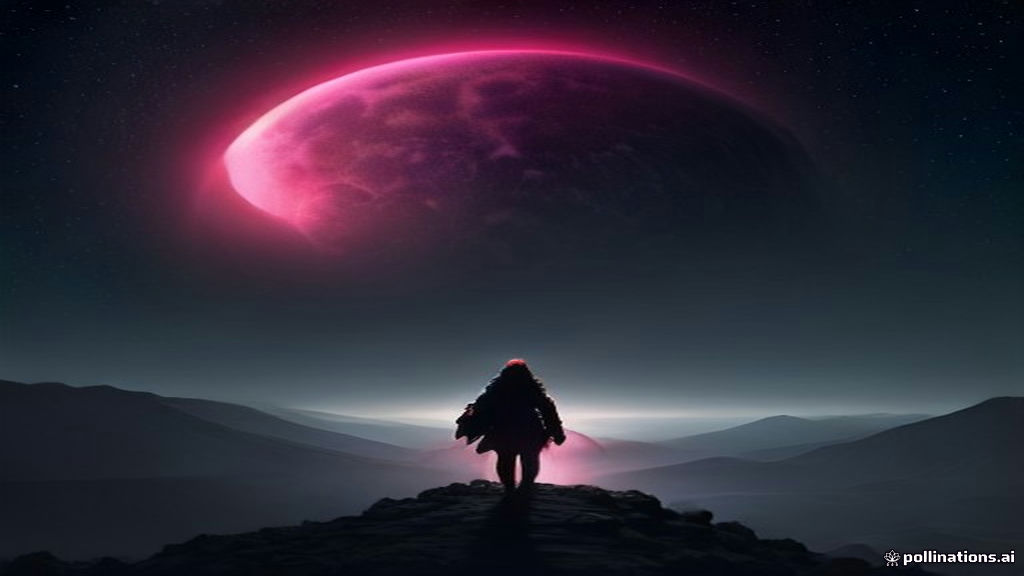
Exploring the solar eclipse turn red dream meaning reveals a powerful intersection between conscious identity, buried raw emotion, and inner transition. When the bright golden sun in your waking mind is swallowed by darkness, only to ignite into a deep crimson hue, your sleep cycle is staging a drama about emotional awakening. This dream usually signals that an area of your life you believed was settled, cold, or completely closed off has suddenly rekindled with intense feeling.
In physical astronomy, a total solar eclipse occurs when the moon blocks the sun, casting a cool black shadow across the Earth. A red sky event, like a lunar eclipse, happens when light scatters through planetary atmosphere. When your dreaming brain fuses these two distinct events into an impossible celestial phenomenon—a dark solar eclipse bleeding into bright red—it breaks ordinary physics to deliver a psychological message. Something hidden behind your everyday routine is demanding immediate recognition.
Whether you woke up feeling awestruck, anxious, or strangely recharged, dreams of red celestial shifts rarely indicate physical danger. Instead, depth psychology and dream research suggest that night visions draw upon vivid imagery to process intense waking emotions. To understand what your mind was working through while you slept, it helps to examine how this image applies to your daily life, your psychological state, and ancient symbolic traditions.
Immediate Steps for Reflecting on a Crimson Eclipse Vision
When you wake from a dream as visually startling as a blood-red solar eclipse, the most effective place to start is with grounded self-inquiry. Before consulting complex psychological frameworks or historical folklore, spend a few days observing where high emotional energy is surfacing in your waking routine.
- Identify recent emotional blockages: Ask yourself what situation recently felt blocked, dormant, or cold. Did a work project, relationship, or personal goal seem to go dark, only to trigger a sudden rush of anger, passion, or creative urgency?
- Track shifts in authority or identity: The sun in dream symbolism often represents your outward identity, career, or leadership role. Look for areas where your standard way of presenting yourself has undergone a sudden, startling change.
- Journal about the exact moment of color shift: Write down the precise emotional tone of the dream when the darkness turned crimson. Did the red color bring terror, relief, warmth, or power? The feeling attached to the color shift holds the truest clue to its meaning.
- Observe bodily sensations upon waking: Notice if you woke up with a racing heart, warmth in your chest, or clenched muscle tension. REM sleep closely links intense emotional processing with physiological arousal, reflecting how your central nervous system handles stress.
If your vision involved other dramatic skylines or strange cosmic openings, you might also find insight in our guide on the doorway appearing in the night sky dream meaning, which explores how the mind visualizes boundaries between waking reality and the unconscious.
Why the Shift from Black to Red Changes the Sky Dream’s Message
To unpack the solar eclipse turn red dream meaning, depth psychologists pay close attention to the sequence of events in the sky. A standard solar eclipse dream often centers on temporary loss, muted energy, or an interruption in your daily drive. However, when the black disc surrounded by light suddenly turns red, the core symbolic narrative shifts from passive loss to active transformation.
In modern cognitive sleep research, dreams are understood partly through the continuity hypothesis. This framework suggests that dream content directly reflects our waking concerns, emotional struggles, and interpersonal dynamics. During rapid eye movement (REM) sleep, the brain’s emotional centers—particularly the amygdala—are highly active, while logical filters relax. This allows your mind to take an abstract waking feeling, such as feeling sudden anger after being silenced at work, and translate it into a stark visual metaphor: a darkened sun bursting into red flame.
Red is physiologically linked to biological alarm, blood, heat, and instinctual drive. When a cold shadow unexpectedly turns crimson, your mind may be signaling that an issue you tried to ignore or suppress has reached a boiling point. The shadow did not extinguish the sun’s energy; it merely compressed it until it flared into a passionate, undeniable state.
Carl Jung, Alchemical Rubedo, and the Ignited Ego
In depth psychology, particularly the tradition established by Carl Jung, celestial bodies represent core structures of the human psyche. Jung viewed the sun as a symbol of the conscious ego, order, and vitality—the daily self that interacts with the outer world. The moon represents the unconscious, intuitive, and shadow aspects of the psyche that remain hidden beneath conscious awareness.
When the moon covers the sun during a solar eclipse, the unconscious temporarily eclipses the conscious ego. This represents a period where instinct, hidden desires, or unacknowledged fears overwhelm your usual logical control. But the shift to red introduces a specific psychological stage that Jung linked to ancient alchemical symbolism.
In alchemical traditions, which Jung studied extensively as metaphors for psychological growth, personal transformation moves through distinct color stages:
- Nigredo (Blackness): A stage of dissolution, confusion, eclipse, and confrontation with the shadow.
- Albedo (Whiteness): A stage of purification, clarity, and cool reflection after crisis.
- Rubedo (Redness): The final stage of realization, where passion, soul, and life force reunite with the self to create total wholeness.
A dream where a black solar eclipse turns red visually mirrors the jump from *nigredo* to *rubedo*. It suggests that an uncomfortable period of doubt, burnout, or emotional darkness in your waking life is ready to turn into active vitality. The shadow has completed its work, and what emerges is a more authentic, fiery expression of your true self. If your dream carried a sense of quiet elevation alongside this shift, you may also find context in the spiritual guide on mountain dream meaning, which covers symbols of perspective and inner authority.
Celestial Omens and Crimson Sun Lore Across Traditions
Throughout human history, sudden changes in the sky have generated deep reverence, anxiety, and rich mythological storytelling. Because solar eclipses were rare and unpredictable to ancient civilizations, a sun that turned blood-red or dark red was almost universally interpreted as a profound message from the cosmos.
In ancient Mesopotamian and Chinese sky lore, eclipses were viewed as celestial battles or signs that a higher power was disrupting earthly governance. Early Chinese observers spoke of a dragon or celestial beast consuming the sun, requiring loud drums and ceremonial action to restore balance. When red hues appeared, traditional interpreters viewed it as a sign of war, fire, or extreme emotional upheaval among leaders.
In Judeo-Christian prophetic literature, celestial phenomena where the sun turns dark and the moon turns to blood appear as markers of monumental historical transitions or spiritual reckonings. Rather than literal prophecies of doom, comparative mythologists read these ancient texts as symbolic expressions of threshold moments—times when old systems crumble so a new order can emerge.
Indigenous traditions across North and South America often held deep astronomical knowledge. Many tribes viewed an eclipse not as an omen of destruction, but as a delicate, sacred union between sun and moon—a moment of cosmic quiet where the Earth was asked to pause, pray, and restore harmony. The presence of a red glow was often seen as a warning against letting personal anger or conflict disrupt community peace.
While these historical perspectives are cultural beliefs rather than objective facts, they highlight how deeply embedded the red eclipse symbol is in the human collective imagination. When you experience this vision, you are connecting with an ancient metaphor for dramatic renewal.
Deciphering Key Visual Variants in Eclipse Dreams
The precise details of your dream offer crucial clues for interpreting the fully realized solar eclipse turn red dream meaning. Consider how these common variations change the emotional focus of the scene:
The Red Sun Leaking Blood or Fire
If the eclipse did not just change color, but appeared to drip liquid red or throw off solar flares of fire, your subconscious may be processing acute emotional stress or burnout. Fire and blood are primal symbols of vital energy and raw bodily sensation. This variation points to a need to address physical fatigue, intense passion, or unresolved anger before it exhausts your energy reserve.
Watching the Red Eclipse over Water
Water in psychological analysis universally reflects the fluid, emotional, and intuitive realm of the subconscious mind. Seeing a crimson solar eclipse reflected on a ocean, lake, or river indicates that a major shift in your external identity is deeply affecting your internal emotional stability. If the water was calm, it suggests inner acceptance of a major life transition; if turbulent, it reflects anxiety about losing control. Readers navigating deep emotional themes may find additional perspective in the glowing lotus in water dream meaning.
A Red Eclipse with Multiple Suns or Moons
Dreams featuring double celestial bodies suggest competing priorities or divided loyalties in your waking life. A crimson eclipse involving multiple suns points to conflicting roles—such as balancing a demanding career with personal authenticity—where both paths feel intense, urgent, and volatile.
Questions Readers Ask About Dreaming of Red Solar Eclipses
Does dreaming of a red solar eclipse mean something bad is going to happen?
No. Dreams use dramatic, high-contrast visual images to reflect existing internal emotions, memories, and psychological transitions. A red eclipse is not a prediction of external tragedy, but a vivid symbolic representation of intense waking feelings, sudden emotional shifts, or personal transformation.
What does it mean if I felt calm while watching the eclipse turn red?
Feeling calm during a catastrophic or strange sky event is a strong sign of emotional resilience and inner integration. It suggests that while significant changes or conflicts may be occurring in your life, your core sense of self feels grounded, adaptable, and ready to absorb the transformation.
How does a solar eclipse turning red differ from a blood moon dream?
A blood moon dream centers entirely on lunar energy—intuition, subtle emotions, rhythm, and the hidden self. A solar eclipse turning red combines both solar and lunar forces, focusing specifically on how your conscious ego, energy, and outer life (the sun) are temporarily overwhelmed and re-ignited by deep emotional drives (the moon and red hue).
What if I was watching the red solar eclipse through specialized viewing glasses?
Dreaming that you observed the crimson eclipse through filter glasses or a telescope suggests a psychological need for distance and boundary. You may be dealing with a high-stress situation in waking life by choosing to analyze it intellectually rather than letting yourself feel its full emotional impact.
Moving Forward with Your Dream’s Insight
A dream about a solar eclipse turning red is ultimately a invitation to honor the intensity of your inner life. Rather than fearing the dramatic dark sky, take note of where your vitality, passion, or unspoken boundaries are asking to be seen. By bringing conscious awareness to these fiery emotions, you turn a startling night vision into a practical tool for personal clarity and growth.