Endless Hotel Hallway Dream Meaning: What It Signals
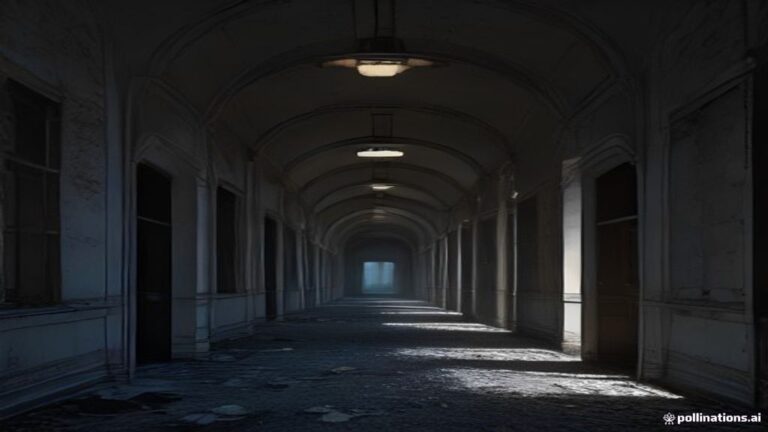
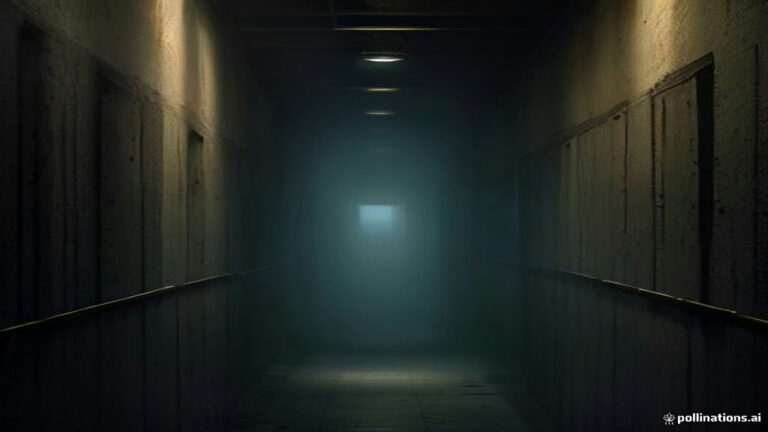
An endless hotel hallway dream meaning usually centers on feelings of being stuck in transition, searching for personal direction, or facing deferred choices in your waking life. You might find yourself pacing past identical patterned carpets, brass door plaques, and soft sconce lighting, turning corner after corner only to discover another endless corridor. The atmosphere is often quietly distressing, defined by a persistent feeling that your room must be just around the bend, yet remaining permanently out of reach.
Hotels are uniquely suited to host this kind of nocturnal frustration. Unlike a private home, a hotel is designed for temporary shelter—a location where people stop between where they have been and where they are going next. When your mind constructs an infinite labyrinth out of this temporary setting, it often reflects a lingering pause in your personal life, career, or relationships that feels far longer than it should.
Understanding this dream does not require decoding mystical prophecies or believing in foregone conclusions. Instead, examining the psychology of liminal spaces, sleep biology, and your current waking circumstances can help clarify why your brain returned to this eerie corridor while you slept.
Endless Hotel Hallway Dream Meaning: Separating Online Myths from Dream Psychology
Popular internet interpretations often claim that dreaming of an infinite hallway means you are doomed to stay stuck in a bad situation forever, or that someone in your life is intentionally sabotaging your progress. These sensational claims confuse dramatic symbolism with psychological reality. In truth, dream research and depth psychology offer far more grounded, constructive explanations for why these endless passages appear during sleep.
Myth: The infinite hallway means you have reached a permanent dead end in life
Reality: Cognitive dream research, particularly the continuity hypothesis developed by researchers like Calvin Hall, demonstrates that dreams tend to mirror our waking thoughts, ongoing emotional concerns, and self-perceptions. An infinite corridor does not mean you are permanently trapped. Rather, it reflects your current perception that a decision or transitional period is taking too long. The hallway is fundamentally a passage, not a wall; your mind is processing the journey, even if the destination feels obscured right now.
Myth: Every room door represents a secret fate or hidden memory you must unlock
Reality: While individual doors in depth psychology can represent choices, unconscious potential, or compartmentalized emotions, you do not need to analyze every single door in a dream corridor. Sigmund Freud referred to the mundane items in our dreams as day residue—ordinary spatial memories and architectural shapes gathered from real life, films, or hotel stays. During Rapid Eye Movement (REM) sleep, the brain uses these routine structures as a background canvas to process underlying feelings of indecision or search behavior.
Why REM Sleep Builds the Identical Doors and Patterned Carpets of Hotel Corridors
To understand why this environment feels so visceral, it helps to consider what happens inside your nervous system during sleep. Most vivid, narrative-driven dreams occur during REM sleep, a stage where the brain’s emotional centers—such as the amygdala—are highly active, while the dorsolateral prefrontal cortex, responsible for logical structure and spatial navigation, operates at a lower baseline. This creates a psychological environment where high emotional urgency meets loose spatial logic.
Architecturally, a hotel corridor is what cultural theorists call a liminal space: a location designed solely for passage rather than dwelling. When you are processing waking life transitions—such as waiting for exam results, navigating a career change, or contemplating a relationship shift—your subconscious often selects environments that embody transition itself.
In Jungian depth psychology, built structures frequently represent the self. Carl Jung famously described a dream in his autobiography, Memories, Dreams, Reflections, where exploring a multi-storied house revealed different layers of his psyche. While a private home represents your established identity, a hotel represents a temporary identity. Pacing an endless hotel hallway suggests you are currently residing in a middle state—leaving behind who you were, but not yet settled into where you belong. Much like being trapped in an elevator dream, the infinite corridor highlights a temporary suspension of momentum.
Similarly, if the atmosphere in the hallway feels disorienting or murky, it shares emotional terrain with being lost in a foggy forest dream, where visual landmarks disappear and your sense of orientation breaks down.
Cultural and Spiritual Lore: The Transient Soul and the Waystation Symbol
Across various cultural and historical traditions, temporary lodgings like inns, caravanserais, and roadside stops carry rich symbolic weight. These places are rarely viewed as final destinations; instead, they represent test sites for the traveler’s spirit, character, and resolve.
- The Inn as a Midpoint in Folklore: In traditional European folk tales, the inn at the edge of town is where travelers pause to rest, gather news, or face unexpected encounters. Dreaming of an unending lodging house was sometimes viewed in folk tradition as a reminder that worldly comforts are fleeting and that true direction comes from inner conviction rather than external shelter.
- Eastern Concepts of Pilgrimage: In several Eastern philosophical and spiritual traditions, physical existence itself is compared to a short stay at a roadside inn. An endless hallway in this spiritual context symbolizes becoming overly preoccupied with the temporary corridors of life—such as titles, temporary status, or external approval—while forgetting the main journey beneath.
- Modern Urban Lore and Liminal Spaces: In contemporary internet mythology, the phenomenon of endless, repetitive corridors (often referred to as backrooms or liminal spaces) reflects a shared modern feeling of institutional detachment. Standardized commercial interiors—whether in corporate hotels or an abandoned hospital at night—mirror the fatigue of navigating complex, impersonal systems in modern life.
Grounded Steps to Take When You Wake Up Lost in a Hotel Passage
Because no dream dictionary can know your personal circumstances, your own judgment and honest self-reflection are the most reliable tools for interpreting this experience. If this dream left you feeling exhausted or anxious upon waking, consider taking a few practical steps to process it:
First, identify where in your waking life you feel stuck in a hallway. Are you waiting on someone else’s decision before you can move forward? Are you avoiding choosing between two appealing—or equally daunting—options? Simply acknowledging that you feel in-between can ease the emotional pressure your brain is processing during REM sleep.
Second, notice how you reacted to the hallway in your dream. Did you panic and run, knock on random doors, or stop walking altogether? Your behavior in the dream often mirrors your default coping mechanism when faced with delay or uncertainty in daily life.
Finally, practice grounding yourself before sleep if you find recurring liminal dreams unsettling. Establishing a quiet evening routine without digital screens reduces cognitive restlessness and allows the brain to settle into rest without carrying unresolved daytime tension straight into REM cycles.
Questions People Ask About Hotel Hallway Dreams
Why can’t I ever find my assigned room number in the hallway?
Failing to find your room key or correct room number in a dream often reflects waking frustration over belonging or status. You may feel that despite doing everything right, you haven’t quite found your place in a social group, workplace, or life stage. It highlights a temporary mismatch between your effort and your sense of arrival.
What does it mean if the hotel hallway keeps changing shape or folding?
When dream geometry shifts—walls moving, floors sloping, or corridors looping continuously—it typically points to shifting goals or changing expectations in waking life. If the rules of your daily routine keep changing unexpectedly, your dreaming mind represents that instability through shifting physical architecture.
Is dreaming of an empty hotel hallway linked to sleep quality or body sensations?
Yes. Physical factors such as feeling too warm under blankets, slight elevated heart rate, or mild sleep apnea can create subtle physical discomfort during REM sleep. The brain often translates physical restlessness into narrative scenarios involving search, delay, or physical exertion through long, quiet spaces.
Does an endless hotel hallway dream mean I am afraid of commitment?
Not necessarily. While a hotel can symbolize non-permanent commitments, an endless hallway is more broadly about the experience of transition itself. It is just as likely to relate to career transitions, creative blocks, or waiting for news as it is to romantic relationships.
Waking up after pacing an endless hallway can leave your mind feeling fatigued, but the dream itself is not a warning of permanent stagnation. It is simply your subconscious mind’s vivid way of mapping out a transition you are navigating. Once you clarify what choices or delays you are currently managing, the long corridors usually yield to a clear path forward.