Dreaming of an Underground Bunker: Seeking Shelter
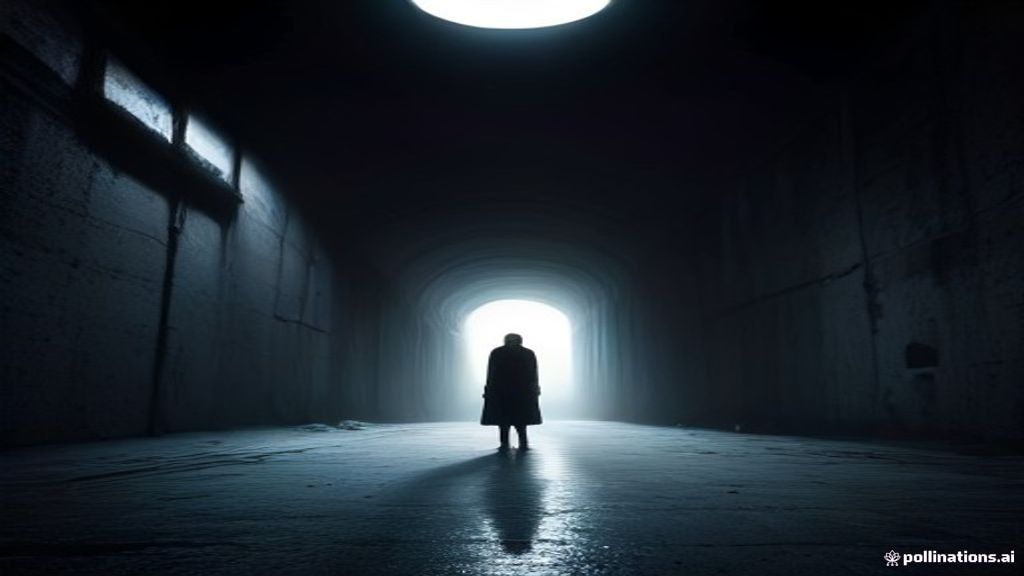
A heavy hatch swings shut above you and the sound of the world disappears. Concrete walls, a single bulb, shelves of tins, a hum of ventilation. You are underground, and you are safe, though you are not sure from what. Perhaps others are with you, speaking in low voices; perhaps you are alone, listening for sounds from above. The air is cool and still. Part of you feels relief, and another part notices how small the room is and how far the surface has become.
A bunker is built for one purpose: survival in danger. In dreams it commonly stands for the need for shelter, protection and retreat, especially when life feels threatening or too loud. It can also reflect isolation, avoidance and fear of the outside world. Whether the bunker feels like a refuge or a prison, and whether you leave it, determine the meaning.
This article explores the main interpretations of an underground bunker, how details such as supplies, companions, locked doors and emerging change the reading, and how to apply them. It is symbolic and not a prediction of disaster. Dreams of a basement or cellar concern another theme; here the focus is the purpose-built shelter.
The symbol in parts
The depth stands for the unconscious and distance from threat. The concrete stands for hard boundaries. The hatch stands for the threshold between worlds. The supplies stand for resources. The air stands for what sustains you. The light stands for hope. The companions stand for support.
Main meanings
Need for safety
A wish to be protected.
Withdrawal
Retreating from stress or people.
Preparedness
Readiness for hard times.
Fear of the outer world
Anxiety about threats.
Isolation
Hiding for too long.
Inner resources
Strength stored for need.
Waiting
A pause before returning.
Details and their meaning
- Well-stocked bunker: a sense of resources.
- Empty bunker: lack of support.
- Locked in: feeling trapped by your own defences.
- Sharing with others: community in difficulty.
- Alone: self-reliance or loneliness.
- Noises overhead: threats you sense.
- Running out of air: need for change.
- Door opening: readiness to emerge.
- Emerging to light: renewal.
- Damp or decay: neglected safety.
- Building one: planning protection.
Interpreting your feelings
Relief suggests you needed rest. Claustrophobia suggests your protection has become confining. Fear suggests unaddressed threat. Calm suggests preparedness. Ask what you are sheltering from, and how long it makes sense to stay.
Possible triggers
- Alarming news or uncertainty.
- Burnout and a need to withdraw.
- Conflict at home or work.
- Preparing for emergencies.
- Films or games about survival.
- Past experience of danger.
Using the dream
- Name the threat. What am I sheltering from?
- Take real rest. A set period of retreat.
- Check supplies. Emotional and practical.
- Keep a link. Stay in touch with someone.
- Set a return date. Plan the emergence.
- Step out gradually. Short outings first.
Frequently asked questions
Does it predict a disaster?
No; it expresses a need for safety.
Is hiding bad?
Not in itself; resting is healthy, but staying hidden too long can limit life.
Why was I locked in?
It may reflect defences that have become confining.
What if I left the bunker?
It suggests readiness to face the world.
Cultural notes
Bunkers became familiar in the twentieth century through wartime shelters and Cold War preparations. Many cities have shelters and memories of air raids. Literature and cinema picture bunkers as spaces of fear and fellowship. In regions that have known earthquakes and conflict, shelter dreams can carry real memories and should be approached with kindness. The idea of retreat appears in other forms too, such as monasteries and caves, as places for restoring the self.
A practical angle
If you feel overloaded, schedule a deliberate retreat: a weekend with fewer demands, silent mornings, switched off notifications. Set limits so that retreat does not become avoidance. Check your practical readiness as well: emergency numbers, water, a bag by the door. Preparedness often calms anxiety by turning vague fear into specific steps. If the bunker felt confining, identify one small contact with the outside to schedule this week: a walk, a call, a coffee.
Shelter inside
Not every shelter is concrete. Routines, friendships and values also shelter us. Ask what your inner bunker is made of and whether it is sturdy. Strengthen what helps: sleep, movement, trusted people. A strong inner shelter allows you to go out into the world without constant fear.
Coming up for air
Long retreat can be restful but also isolating. Watch for signs that rest has turned to hiding: avoiding calls, skipping needed tasks, dread of simple outings. If you notice them, take small steps back to contact. Every visit to the surface makes the next easier.
Questions for reflection
- What threatens me, real or imagined?
- What do I need in order to feel safe?
- Who is with me?
- When will I come out?
- What will I do first on the surface?
A short illustration
A man dreamed of locking himself in a bunker for months. During a hard year at work he had stopped seeing friends. After the dream he accepted an invitation to dinner and then another. He said that the first evening felt like opening a hatch.
Further reflection
Safety is a need, not a weakness. Courage is knowing when to come out.
When to seek support
If anxiety, fear or isolation is persistent, or linked to past danger, consider speaking with a counsellor.
Closing thoughts
An underground bunker dream speaks of seeking shelter. Rest, prepare, and then climb the ladder back into the light.