Dreaming of a Deceased Loved One Walking Away: Meaning & Psychology
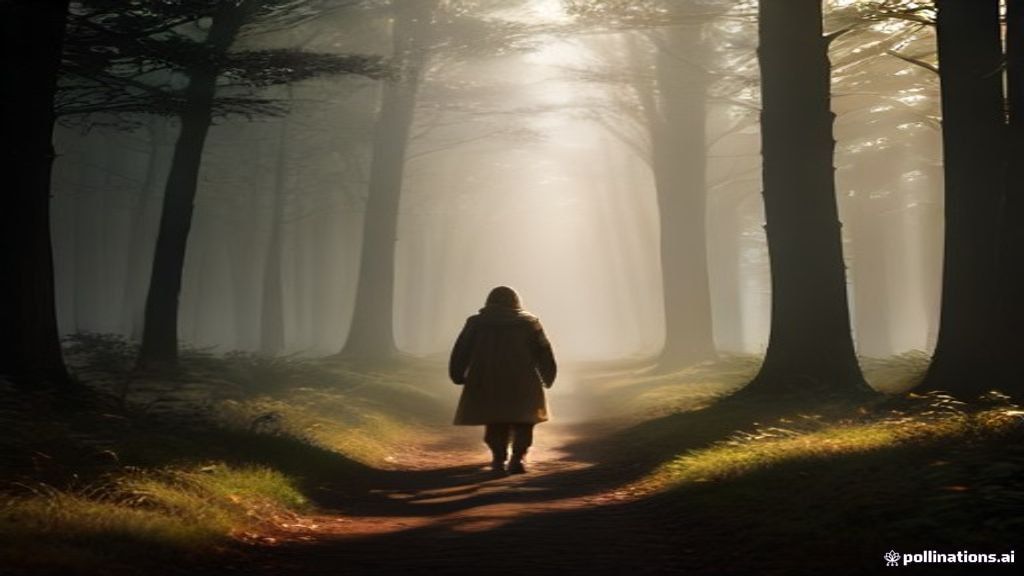
If you recently had a dream of deceased loved one walking away, you likely woke up with a heavy heart, feeling a bittersweet mix of sorrow, longing, and mystery. Dreaming of a departed family member or partner turning around and walking into the distance often symbolizes the natural emotional process of acceptance, psychological closure, or a profound spiritual message that their soul is peacefully moving onward. Rather than a sign of rejection, this powerful dream motif usually reflects your internal journey of releasing grief and reclaiming your own life in the present world.
Common Dream Scenarios: What Does the Path Mean?
The emotional weight of visitation and departure dreams often hinges on the specific actions, settings, and atmosphere of the dream. Pay close attention to how the departed walked away and how you felt in that moment.
1. Deceased Loved One Walking Away Without Looking Back
Watching a late relative walk away silently without turning around can feel painful, but psychologically it represents the finality of physical death. It signifies that the bond has shifted from a physical reality to an internal memory. Your subconscious mind is acknowledging that they have completed their earthly journey and that you cannot pull them back into your physical present. This scenario frequently appears when you are finally reaching the stage of grief known as acceptance.
2. Deceased Loved One Walking Away Into a Bright Light
If your loved one walks toward a radiant, warm portal or a path lit by sunlight, this is widely regarded across dream psychology and spiritual traditions as a deeply reassuring symbol. It suggests spiritual elevation, peace, and total freedom from earthly pain or illness. If they appeared sick before passing, seeing them walk effortlessly into light reflects your mind’s realization that they are finally at rest and whole again.
3. Calling Out as They Walk Away (But They Can’t Hear You)
In this intense dream variation, you might find yourself frantically shouting their name, chasing after them, or trying to grab their clothes, only for them to keep walking uninterrupted. This reflects lingering unexpressed grief, unsaid words, or personal guilt you might still carry regarding their passing. It illustrates the frustration of trying to alter the past when your psyche is urging you to accept the unchangeable present.
4. A Deceased Relative Smiling Before Walking Away
When a loved one stops, offers a warm, comforting smile or nod, and then turns to walk away, it functions as a psychological “blessing.” This scenario suggests that they are giving you permission to be happy, to stop mourning so intensely, and to live your life fully. It is a symbol of unconditional love and comfort, indicating that the emotional bond remains intact even as they move out of your immediate daily awareness.
Psychological Meaning (Carl Jung & Sigmund Freud)
Depth psychology provides rich insights into why our sleeping minds conjure images of loved ones departing into the distance.
According to Carl Jung, figures in our dreams often represent internal complexes or archetypes within our own unconscious. A deceased loved one who was a source of wisdom, safety, or authority represents an internalized aspect of yourself. When they walk away, Jungian analysis suggests that your psyche is asking you to integrate those traits into your own daily ego. You no longer need to rely on their memory as an external crutch; instead, you are being asked to embody their strength, compassion, or wisdom yourself.
From a Freudian perspective, dreams are closely connected to unconscious desires, grief processing, and separation anxiety. Freud noted that mourning requires the ego to detach its emotional energy from the lost object. Dreaming of a deceased loved one walking away is a visual manifestation of this emotional work—your psyche is processing the painful reality of physical separation so that your remaining psychological energy can be reinvested into living relationships and present goals.
Spiritual & Biblical Meaning
Across many spiritual traditions and Biblical theology, dreams featuring the departed are treated with solemn reverence.
In Biblical symbolism, movement and walking often signify a spiritual journey or a transition from one state of being to another. Ecclesiastes 3 reminds us that “there is a time for everything, and a season for every activity under the heavens… a time to weep and a time to laugh, a time to mourn and a time to dance.” A dream where a departed soul walks away cleanly reflects the natural spiritual order—the soul returning to God, leaving the earthly plane behind in peace.
Spiritually, seeing a deceased relative walk away is rarely a sign of abandonment. Instead, it is understood as a spiritual boundary line. It signifies that the soul is ascending into higher realms of existence and that you, as the living dreamer, are being instructed to turn your eyes back toward your own path on Earth. Their departure in the dream spiritual world reassures you that they are not stuck, suffering, or bound to earthly sorrows.
What Your Subconscious Is Telling You
When you dream of a deceased loved one walking away, your subconscious mind is delivering three core therapeutic messages:
- 1. Grant Yourself Permission to Heal: You may be holding onto intense grief out of fear that feeling happy again means forgetting them. Your subconscious is showing you that letting them go in the dream world does not mean losing their love; it means allowing yourself to heal.
- 2. Release Unspoken Guilt and Regret: If you feel unresolved tension over things said or unsaid before their death, the walking away motion symbolizes that the past is settled. It is time to forgive yourself and lay down emotional burdens you were never meant to carry forever.
- 3. Live Fully in the Present: The most profound honor you can give to a loved one who has passed is to live a vibrant, meaningful, and joyful life. Their symbolic exit in your dream is an invitation for you to turn around and face your own future with hope.