Dreaming of a Deceased Loved One Dancing: Joy After Loss, Memory, and Letting Go Gently
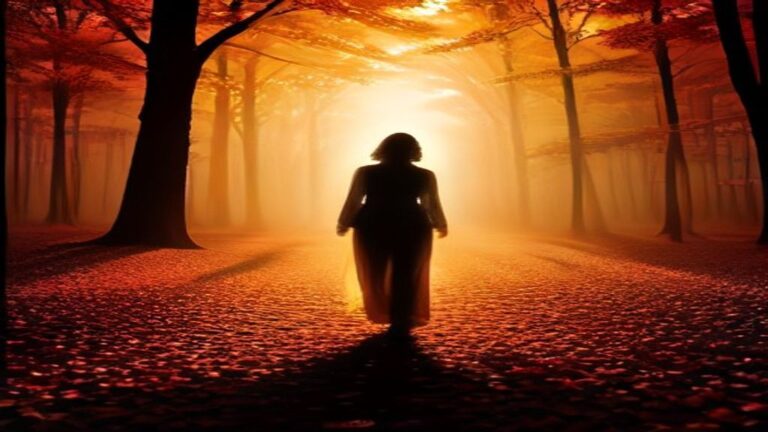
Music drifts in from somewhere you cannot see. Your grandmother, who in her last years could barely walk across the kitchen, is turning slowly in the middle of a bright room, her skirt moving with her, her face younger and lit with a kind of ease you had almost forgotten. She does not speak. She simply dances, and you stand at the edge watching, caught between wonder and an ache so tender that you hardly dare to breathe. When you wake, your pillow may be damp, yet something in your chest feels lighter than it has in months.
Dreams in which a person who has died appears dancing are among the gentlest of all grief dreams. Most dreams of the dead carry questions, unfinished business or sorrow. A dancing figure is different. Dance is movement made for pleasure, rhythm shared with others, the body free of burden. When the mind places someone we have lost in that state, it often offers a picture of peace, of the person as they were at their most alive, or of our own wish to remember them with joy rather than with the final difficult months.
This article looks at the most common interpretations, how details such as the music, the dance partner and your own reaction change the meaning, and how to use the dream as a quiet step in grieving. It is written for anyone carrying loss, and it does not claim to know what the dead experience. A dream is a product of your own mind, and its truest message lies in how it makes you feel.
The symbol in parts
Four elements make up this image. The deceased person stands for your relationship with them, the memories, values and love that remain. Dancing stands for joy, release, rhythm and celebration. The music stands for the emotional atmosphere of the memory, whether nostalgic, festive or solemn. And you, the watcher or participant, stand for your place in grief. Reading each part separately usually explains more than reading the whole at once.
Main meanings
Peace and release
The dancing figure may reflect your mind granting itself permission to believe that the person is free of suffering.
Joyful memory
Your mind may be restoring the happier version of them that illness or old age had hidden.
Continuity of love
Dance is movement that continues, and the dream can mirror the way love continues after death.
Healing grief
Dreams of this kind often appear as acute pain begins to soften into remembrance.
Unfinished celebration
You may be longing for shared occasions, such as weddings or holidays, that the person no longer attends.
Permission to live
If the figure invites you to dance, the dream may encourage you to enjoy life without guilt.
Legacy and inherited joy
You may carry a trait, a song or a spirit from them that still moves through you.
Details and their meaning
- Dancing alone: inner peace, or the person’s individuality shining through.
- Dancing with you: a wish for closeness and for shared moments to continue.
- Dancing with a stranger: new connections that carry their spirit forward.
- Slow dance: tenderness, nostalgia and quiet farewell.
- Lively folk or party dance: celebration of life and family tradition.
- Wedding dance: continuity, blessing and new beginnings in the family.
- Dancing in a familiar house: memories rooted in a particular place.
- Dancing in an unknown place: the person’s transition, as imagined by your mind.
- Healthy and young: wish to remember vitality instead of illness.
- Dancing silently without music: the unspoken bond between you.
- You refuse to join: hesitation about letting go or guilt about feeling joy.
Interpreting your feelings
Your emotional reaction is the most reliable guide. Warmth and gratitude suggest acceptance and healthy remembrance. Tearful longing suggests that grief is still active and needs room. Guilt, if you felt it, may mean you struggle to allow yourself happiness. Unease, if present, might point to unresolved tension in the relationship rather than to the dance itself. Waking with peace is common and can be treated as a small gift rather than something to analyse too hard.
Possible triggers
- An approaching anniversary, birthday or holiday.
- Music, a smell or a photograph connected to the person.
- Attending a wedding or family gathering where they are missed.
- A stage of grief shifting from sharp pain to softer memory.
- Watching a dance performance or old family video.
- Stress that makes the mind seek comfort in cherished images.
Using the dream
- Write it down while fresh. Record the music, the clothes and the emotion.
- Play the song. If you recognise the tune, listen to it deliberately and let yourself feel.
- Share the memory. Tell another family member and compare recollections.
- Create a small ritual. Light a candle on their birthday or dance in their honour.
- Allow joy. Enjoying life is not a betrayal of grief.
- Be patient. Grief rarely moves in a straight line, and comfort dreams may alternate with sad ones.
Frequently asked questions
Does the dream mean my loved one is at peace?
No one can say for certain. What the dream clearly shows is that your mind is imagining peace, which is itself part of healing.
Is it a visit or a message?
Beliefs differ. Some traditions see dreams of the dead as visits. Psychology sees them as memory and emotion at work. Both views can sit side by side, and you may hold whichever comforts you without insisting that it is proven.
Why do I feel sad on waking even though it was happy?
Because the dream briefly restored the person, and waking reminds you they are gone. This is normal and passes.
What if they were not a dancer in life?
Then the dance is more symbolic: it represents freedom from limitation, such as pain, illness or worry.
Culture, music and memory
Across cultures, dance is bound up with remembrance. Funeral processions, memorial feasts and annual gatherings often include music and movement because joy and grief belong to the same human circle. Hearing a certain song years after a loss can bring someone vividly back, and dreams draw on the same circuitry. If a particular tune played in your dream, treat it as a doorway into the relationship. Ask what you did together when it played, what you laughed about, what the person taught you. The dream may be reminding you that the best part of them is not lost.
A short illustration
A woman whose father had died after a long illness dreamed of him dancing at her cousin’s wedding, strong and laughing as he had been decades earlier. She woke crying but also strangely calm. That weekend she played his favourite song for the first time since the funeral and danced with her children in the kitchen. She later said the dream had given her permission to remember his life instead of his illness.
Further reflection
Grief is often described as love with nowhere to go. A dream of a loved one dancing gives love a place to move. Notice what it asks of you: perhaps to smile at an old photograph, to forgive an old quarrel or to carry a family tradition forward. You do not need to decode every detail. The simple fact that your mind chose joy is meaningful.
When to seek support
If grief feels overwhelming, if you cannot function for long periods or if dreams of the deceased cause persistent distress, speaking with a counsellor, a grief group or a trusted friend can help. Seeking support is a way of honouring the bond, not abandoning it.
Closing thoughts
A deceased loved one dancing in a dream is usually an image of joy, continuity and gentle release. Treat it with tenderness: remember the music, share the memory, and let the happiness in it live alongside the longing. Both can be true, and together they are what healing often looks like.