Dreaming of a Cheetah: Speed, Focus and Pressure
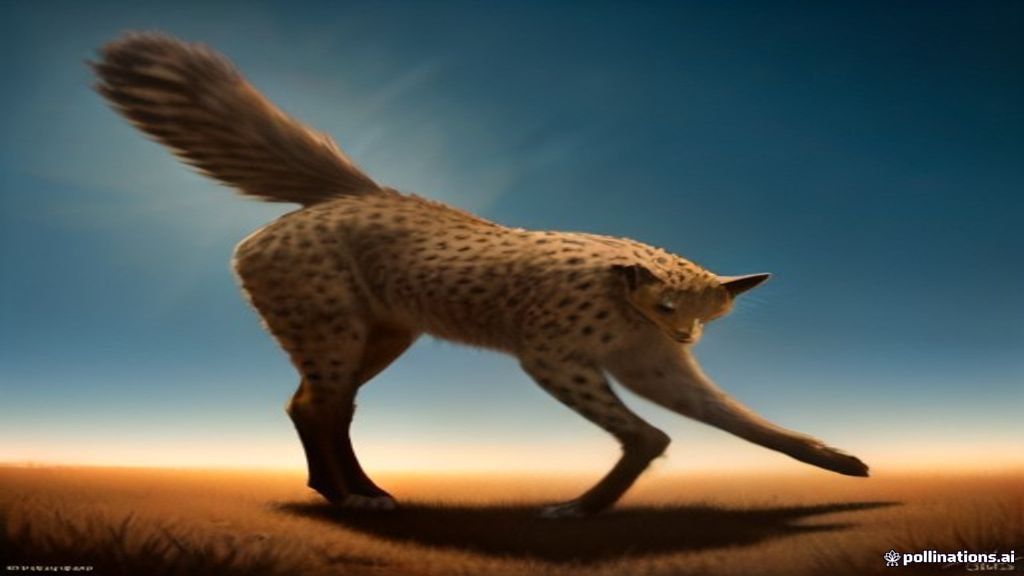
A tawny blur crosses the grassland, legs stretching, spine flexing, eyes locked on a single target. A cheetah in full sprint is the fastest land animal on earth, and watching one, even in a dream, produces a rush of adrenaline. If one ran through your sleep, you probably woke up with a vivid memory of motion.
But the cheetah is not only about speed. It is a specialist: it hunts in short, intense bursts and then collapses in exhaustion. Its power depends on extreme focus, and it pays for it with a need for recovery. These two sides, brilliance and cost, are what make the animal such a rich dream symbol. This guide explores what a cheetah dream may reveal about ambition, pressure and pacing, and how to read the details.
What the cheetah represents
Four ideas stand out. Speed: acting quickly, seizing opportunity. Focus: a single-minded pursuit of a goal. Elegance: efficiency and grace rather than brute force. Fragility: the cheetah is lighter than other big cats, often loses prey to stronger rivals and has to rest after each chase. In people, these map onto the experience of being fast, driven and graceful, while sensing that the pace is hard to sustain.
Main meanings
Drive and ambition
If you felt admiration or exhilaration, the dream may reflect a strong drive in your waking life. You are moving quickly toward something and feel capable.
Performance pressure
If you felt tense or watched the cheetah race with unease, the dream might concern pressure to perform. Workplaces, school and sports can create a constant expectation to sprint.
A need for focus
The cheetah ignores distractions. The dream can be a hint that you scatter your energy and would benefit from choosing one target.
Burnout risk
A cheetah cannot sustain top speed for more than a short distance. If you dreamed of the animal collapsing or panting, consider whether you are running at a pace that you cannot maintain.
Being chased
When the cheetah pursues you, the dream shows a feeling of being hunted by a deadline, a rival or a demand that moves faster than you can. The chase usually points to something you are trying to outrun.
Details that change the reading
- The cheetah at rest in the shade: recovery and the value of pausing between sprints.
- Running alongside it: matching your ambition with your pace; being in flow.
- Riding it: harnessing speed, or being carried beyond your control.
- Catching prey: achieving a goal through focus.
- Missing prey: fear of failure, or an effort that did not pay off.
- A cheetah cub: new potential, or a young talent that needs protection.
- A cheetah in a cage or zoo: speed or ambition restricted by circumstances.
- Being outrun by it: feeling slower than others around you.
- Petting a tame one: comfort with your own intensity.
- Spotted coat: individuality; each spot is unique.
Interpreting your feelings
Awe suggests respect for your own capacity. Fear suggests that speed or demand feels threatening. Envy of the cheetah’s ease can reveal a wish for effortlessness. Fatigue in the dream points to a need for rest. Compare the dream emotion with how you feel in meetings, at deadlines, or when comparing yourself to peers.
Typical waking triggers
- A demanding project or exam period.
- A competitive field or job.
- A decision that requires quick action.
- Sports training or a race.
- An overpacked schedule.
- Recent exposure to wildlife documentaries, which often feature cheetahs.
Using the dream
- Sprint on purpose. Choose the one goal that deserves your fastest effort, and protect time for it.
- Build recovery in. After intense effort, schedule actual rest, not just a switch to another task.
- Say no to chases. Not every opportunity needs to be pursued at top speed.
- Check your target. Make sure you are chasing something you actually want.
- Mind your energy. Sleep, food and movement are what allow bursts of speed.
- Talk about pressure. If a boss or family expects constant sprinting, discuss realistic expectations.
Cultural and natural context
Cheetahs have been symbols of royalty and speed in many cultures; ancient rulers kept them as hunting companions. Today they are vulnerable in the wild, with shrinking habitat. This vulnerability can give a dream cheetah an added theme: that exceptional ability needs protection and room to exist.
Frequently asked questions
Is a cheetah dream a good sign?
It often carries positive associations with speed and skill, though the emotional tone matters. It describes your current state rather than predicting events.
How does it differ from dreaming of a lion or leopard?
Lions suggest authority and pride, leopards stealth and adaptability. Cheetahs emphasise speed, focus and the cost of sustained effort.
What if I was running from a cheetah?
Think about what in your life moves faster than you can respond to. It might be a deadline, a workload or a demanding person.
Does it mean I am overworking?
Not necessarily, but if you also felt exhausted in the dream, it is worth checking your pace.
A short illustration
A software developer dreamed that a cheetah sprinted across a field and then lay panting under a tree. In his waking life he had been working long sprints to ship a product, collapsing on weekends and then starting again. After the dream, he set a rule to take a full day off after each release and to leave the office at a fixed time twice a week. His output stayed strong, and the dream did not return. The cheetah had been showing him a pattern he already knew but had not respected.
Closing thoughts
The cheetah is a lesson in the economy of effort. It reminds you that speed is a gift but not a lifestyle, that focus beats scattered activity, and that rest is part of performance. Look at where you are sprinting, where you are being chased, and where it might be wise to lie down in the shade.