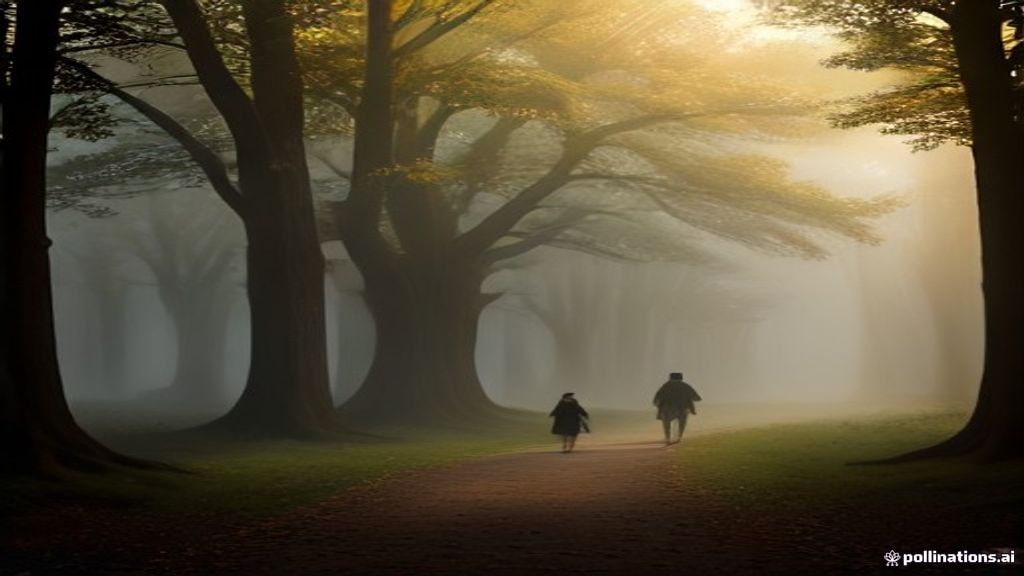
Dreaming About an Old Friend: Nostalgia and Lost Connection
They look exactly as you remember, or perhaps a little older, and they are standing in a doorway as though no time has passed. You had not thought of them for years, yet here they are, laughing at the same joke, using the same nickname, picking up a conversation that stopped long ago. The setting may be a school corridor, a childhood street or a place that never existed. When you wake, there is a sweet ache in the chest and a question: why now, and where did they go?
Dreams of old friends are some of the gentlest and most nostalgic that people report. They rarely mean that the friend is about to appear, although it can happen. More often they point to the version of you that existed during that friendship, and to feelings about time, change and belonging. They can express missing someone, regret over drifting apart, comfort in remembering a time of simplicity, or a quiet comparison between who you were and who you are now.
In this article we explore the main meanings, how the details of the dream refine them, and what you can do with the feelings that remain. The reading is symbolic. It cannot tell you what your old friend is doing or feeling, but it can help you understand what the memory of them is doing for you. For dreams in which a friend confesses love, a separate guide covers that distinct theme.
The symbol in parts
The old friend stands for a past chapter, shared history and an earlier self. The place stands for the context of that time. The conversation stands for unfinished emotion. Your age in the dream shows which part of you is speaking.
Main meanings
Nostalgia
A longing for a simpler or happier time.
Lost connection
Sadness about drifting apart.
Unfinished business
Something left unsaid.
Comparison
Measuring your life against your past hopes.
Support
You may need the kind of friendship you once had.
Identity
Touching a former self.
Possible reunion
Sometimes a nudge to reach out.
Details and their meaning
- Warm reunion: comfort and longing.
- Awkward meeting: distance that has grown.
- Argument: unresolved conflict.
- Friend ignores you: fear of being forgotten.
- Friend has changed: acceptance of change.
- Childhood setting: early memories.
- School setting: formative years.
- Friend who has died: grief and remembrance.
- Friend asks for help: responsibility.
- Saying goodbye: closure.
- Playing together: joy and freedom.
Interpreting your feelings
Warmth suggests gratitude for the connection. Sadness suggests grief for lost time. Guilt suggests regret about how things ended. Joy suggests a need for play and ease in your current life. Consider what the friend represented, such as humour, adventure or acceptance, and whether you can invite more of it now.
Possible triggers
- Anniversaries or class reunions.
- Old photos, music or places.
- Social media updates.
- Loneliness or life transitions.
- News of the friend.
- A milestone that prompts reflection.
Using the dream
- Name what you miss. Qualities, not just the person.
- Consider reaching out. A short message can open a door.
- Bring the quality forward. Add humour or play to your day.
- Make peace. Write what you wish to say.
- Respect change. People move on.
- Value present friends. Invest where you are.
Frequently asked questions
Does it mean they are thinking of me?
There is no evidence for that; it reflects your own memory.
Should I contact them?
If it feels right and safe, a kind message is fine.
Why that friend?
They carry feelings relevant to you now.
Is it unhealthy to dream of the past?
No; it is part of how memory works.
Cultural notes
Many languages have special words for the ache of missing the past. Portuguese saudade, Welsh hiraeth and Turkish hasret each capture a longing that blends sweetness and sadness. Poets and songwriters have long treated old friendships as treasure, and traditions of reunion, from school gatherings to festivals, honour them. These words and customs show how universal the feeling is, and how natural it is for dreams to revisit the people who shaped us.
A practical angle
If you feel drawn to reconnect, start small. Send a short and warm message: you were in my thoughts and I hope you are well. Do not expect the same closeness at once; people change, and a gentle start leaves room for either outcome. If contact is not possible or not wise, you can still honour the friendship by writing down three memories and what they gave you. Gratitude can close a chapter without requiring a reunion.
Memory and the self
We carry earlier versions of ourselves, and old friends hold the mirror to them. Meeting such a friend in a dream can show how far you have come, or what you have set aside. Ask what that younger self would think of your life now, and what they would still want. Sometimes the answer reveals a dream or value worth reviving; sometimes it reveals how much you have grown.
Questions for reflection
- What did this friend give me?
- What do I miss most?
- Is there something unsaid?
- Who is a present-day friend I can invest in?
- What part of my younger self do I want back?
A short illustration
A man dreamed of an old school friend laughing in a playground. He had lost touch after moving cities. He sent a message and they spoke by phone that weekend. They now meet once a year, and he says the dream gave him courage.
Further reflection
Friendships that ended are still part of who we are. Remembering them is a form of respect.
When to seek support
If longing for the past turns into persistent sadness or withdrawal, consider speaking with a doctor or counsellor.
Closing thoughts
A dream about an old friend speaks of nostalgia and connection. Honour the memory, reach out if it feels right and invest in the friendships of today.