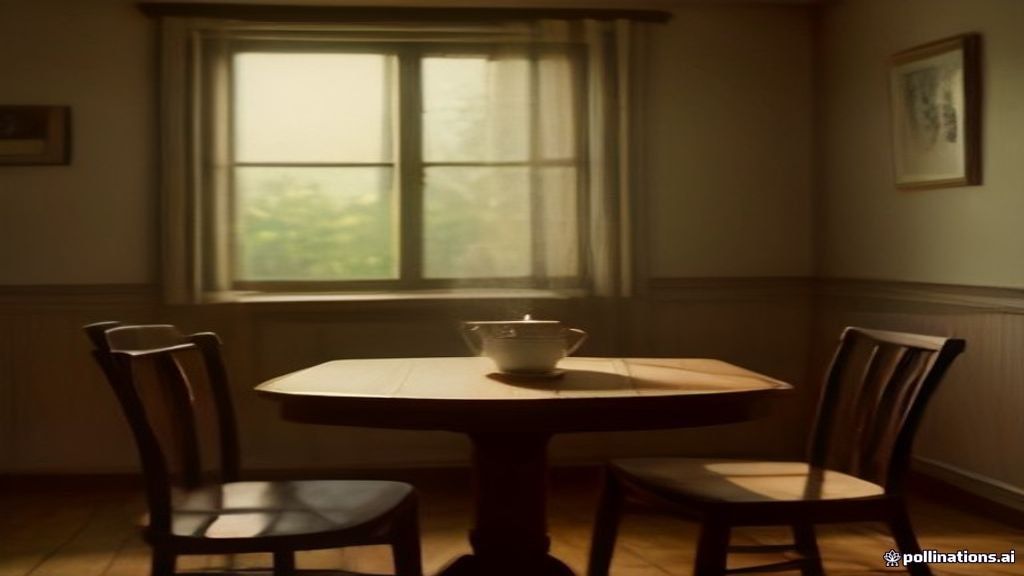
Deceased Parent Sitting at Dinner Table: Meaning & Psychology
Dreaming of a deceased parent sitting at dinner table often reflects your mind’s effort to process ongoing grief, integrate life lessons, or maintain an emotional connection with someone who helped shape your foundational identity. The dining table is the historic locus of family life—a space where meals were shared, values were subtly passed down, and daily routines were established. When a mother or father reappears in that specific domestic seat, your sleeping brain is bringing a core relationship back to the table where your sense of belonging was forged.
Whether you woke up feeling deeply comforted, sharply sorrowful, or simply perplexed, this dream rarely acts as a mystical prediction or a literal sign. Instead, sleep science and grief research suggest it serves as a mirror to your current emotional needs, your stress levels, or a transition in your waking life where you crave parental guidance. Understanding what your mind is working through begins with looking at the emotional atmosphere of the meal and how you felt when you opened your eyes.
Gentle Waking Actions to Process a Parent’s Presence at Your Board
When you wake up from a dream like this, the emotional lingering can make the morning feel strangely heavy or unexpectedly poignant. Rather than analyzing every detail immediately, it helps to start with small, practical steps that honor your feelings while keeping you grounded in the present day.
- Write down the atmospheric details: Spend five minutes writing down what was on the table, the lighting, whether food was served, and the exact demeanor of your mother or father. Was the mood quiet, tense, warm, or routine?
- Reflect on your current waking stressors: Ask yourself where in your life you currently feel undernourished, overburdened, or in need of steady counsel. Parents often represent foundational security; dreaming of them at mealtime frequently correlates with waking fatigue or major life decisions.
- Recreate a small, comforting routine: Prepare a simple meal or a hot drink that reminds you of home. Taking a deliberate moment to eat slowly can help ground the body when grief or nostalgia rises to the surface.
- Reach out or write an unmailed note: If the dream brought up lingering regret or unsaid words, write them down in a private notebook. If you have siblings or relatives who shared that table, consider sending a gentle message to check in on them.
If these dreams spark intense, overwhelming distress or reopen traumatic grief, remember that speaking with a professional counselor or a grief support group can offer a safe, structured space to navigate your feelings.
The Shared Meal as a Symbol of Continuing Bonds and Unspoken Memory
In modern grief research, experts frequently speak of the concept of “continuing bonds.” Developed by researchers Dennis Klass, Phyllis Silverman, and Steven Nickman, this perspective notes that healthy mourning does not require completely severing ties with someone who has died. Instead, humans naturally reorganize their relationship with the deceased, transforming it into an internal narrative. A dream of a deceased parent sitting at dinner table is a vivid example of this cognitive reorganization taking place during sleep.
During Rapid Eye Movement (REM) sleep—the stage where our most story-like dreams occur—the brain actively consolidates emotional memories and integrates life experiences. According to the continuity hypothesis of dreaming, our nighttime imagery directly reflects our waking worries, personal relationships, and ongoing internal dialogue. When your brain constructs a scene around a dining table, it draws on decades of neural pathways linked to family dynamics, emotional nourishment, and basic safety.
From a depth psychology perspective, Carl Jung suggested that figures in dreams often represent internal archetypes or aspects of our own psyche. A deceased father or mother sitting at the head of the table may represent your inner authority, your conscience, or the nurturing capacity you are now called to direct toward yourself. Rather than an external spirit visiting your bedroom, the dream can be understood as your unconscious mind using a familiar figure to balance—or compensate for—a current feeling of instability in your daily life.
Plates, Food, and Silence: What the Details at the Dining Table Reveal
The specific narrative elements surrounding the meal offer valuable clues about what your mind is currently processing. Dining is fundamentally about taking in sustenance, making the condition of the food and the interaction at the table deeply symbolic.
If the table in your dream was laden with warm, familiar dishes and your parent was smiling, your mind may be offering you a comforting psychological sanctuary during a period of stress. Conversely, if the table was bare, the food was spoiled, or your parent sat in absolute quiet, it can point to unfulfilled emotional needs or unexpressed words. A scene involving a late family member who remains quiet often echoes broader patterns seen when dreaming of a deceased loved one who will not speak, where the silence highlights your own internal processing rather than a conversation.
Pay close attention to who else was seated at the table. Were you sitting in your childhood spot? Were your current partner or children there? A dream that mixes your past family home with your present family life often indicates a transition where you are evaluating how you were raised versus how you are currently building your own household or career. This aligns with broader patterns found when dreaming of a deceased loved one sitting at the table, where the setting acts as a bridge between memory and current identity.
Ancestral Seats and Sacred Feasts in Cultural Tradition
Across many historical and cultural traditions, the act of eating with ancestors holds a respected, symbolic place. While modern psychology views these imagery patterns through neural processing, cultural beliefs provide rich contexts for how human societies have long honored the memory of parents at the table.
In various East Asian traditions, such as the Hungry Ghost Festival or Qingming Festival, families prepare elaborate meals and leave designated seats open for departed ancestors. The ritual of placing food at an altar or setting a dish at a family feast reflects a belief that the dead remain invested in the daily welfare of the household. Similarly, in Mexican traditions surrounding Día de los Muertos, families construct *ofrendas* loaded with favorite foods, pan de muerto, and water, inviting the spirits of late parents to join the living in celebration.
In older European folklore and Slavic traditions like *Dziady*, setting an extra place at the evening table during specific times of the year was considered a sign of hospitality toward lingering spirits. Whether viewed as sacred custom or cultural symbolism, these traditions share a common thread: the dinner table is universally recognized as the central hearth where life, legacy, and memory intersect.
Questions Readers Ask About a Parent at the Table
Why was my deceased parent sitting at the head of the table without eating?
In many homes, the head of the dining table represents leadership, authority, and emotional stability. Seeing a late mother or father occupy that seat without eating often mirrors a waking sense that you are seeking their guidance or approval, or that you are stepping into their role as the head of your own family. The lack of eating usually draws focus away from physical sustenance and places it on their presence and your internal reflection.
Is it normal to wake up feeling intense sadness after a dream of a deceased parent sitting at dinner table?
Yes, waking up with strong grief, tears, or a sense of longing is completely normal. Dreams during REM sleep engage the amygdala and limbic system—the emotional centers of the brain—making feelings feel vividly real. Even years after a loss, a simple dream set in a familiar, mundane setting like a family supper can temporarily bring raw grief back to the surface.
What does it mean if the dining table setting was from my childhood home?
When your mind reconstructs a childhood dining room, it is tapping into early memories of security, family rules, and foundational identity. This often happens when you are facing a major life decision, a career shift, or personal stress that causes your subconscious to return to the place where your core values were original forged.
Dreams about a parent who has passed away sitting at a dinner table remind us of how deeply our roots run. Whether your mind is quietly sorting through old grief, seeking familiar comfort, or helping you step into your own adulthood, taking a quiet moment to reflect on the dream can help you carry the best of their legacy forward into your day.
Related reading