Deceased Grandfather Standing in Doorway: Meaning & Context
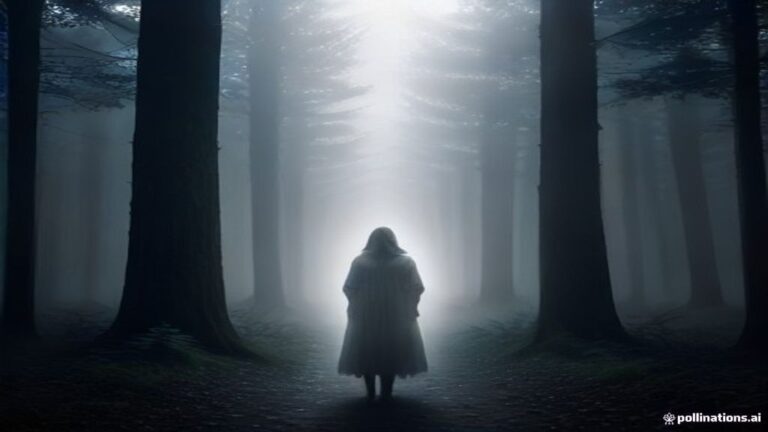
Dreaming of your deceased grandfather standing in doorway often signals a moment of transitional reflection, bridging your ancestral roots with a major choice or shift in your waking life. You might wake up with a vivid visual remaining in your mind: his silhouette bathed in hallway light, framed by the wooden jamb of a bedroom or childhood kitchen, standing completely still. He might be wearing a familiar wool sweater, holding his old cap, or looking toward you with a silent expression that feels both distant and intimate.
When a dream places a loved one directly at a threshold, the setting itself carries as much weight as the person standing there. Doorways represent borders in our architecture and in our minds—the line between the room you are currently living in and the unfamiliar hallway beyond. Seeing a grandfather at this exact juncture often brings up feelings of stability, heritage, and the passing of time, inviting you to look at where you have come from and where you are headed next.
Whether this dream left you with a sense of quiet comfort or a lingering heavy heart, exploring its layers can offer clarity. Dream analysis does not provide exact fortunes or fixed truths, but it does give us a thoughtful framework to understand how our sleeping minds process grief, memory, and personal evolution.
Why a Deceased Grandfather Standing in Doorway Appears During Life Transitions
When you dream of your deceased grandfather standing in doorway, your sleeping brain is engaging with long-term memory structures while navigating current emotional demands. Modern cognitive science suggests that the most detailed, narrative dreams occur during rapid eye movement (REM) sleep. During REM sleep, the brain’s emotional centers—like the amygdala—are active, while the prefrontal cortex, which governs strict logic, dials down. This allows deep emotional memories, ancestral figures, and abstract symbols to weave together without the guardrails of daytime thinking.
Sleep researchers often discuss the continuity hypothesis of dreaming, which posits that our night thoughts reflect our waking worries, relationships, and identity shifts. A grandfather often represents foundational support, family history, or personal ethics. If you are currently facing a turning point—such as starting a new job, buying a home, starting a family, or re-evaluating your life goals—your sleeping mind may call up the figure who symbolizes stability and family lineage.
Grief researchers also highlight the concept of continuing bonds. Rather than cutting ties with someone who has passed away, healthy grieving often involves maintaining an internal relationship with them. Dreaming of your grandfather is one of the ways your mind maintains this connection. Seeing him at a threshold suggests that while his physical presence belongs to your past, his influence remains framed in your current awareness as you cross into a new chapter.
The Threshold Symbol: How Depth Psychology Views Doorways
In depth psychology, particularly in the tradition of Carl Jung, every room and fixture in a dream house represents an aspect of the self. The interior rooms usually reflect your conscious thoughts and daily waking life, while dark hallways, basements, or outdoor spaces represent the deeper, unexplored unconscious. A doorway serves as a liminal space—a place of transition where two distinct psychological territories meet.
In Jungian terms, a grandfather often acts as an embodiment of the Wise Old Man archetype or an internal moral compass. He represents the aggregated wisdom of your lineage, the quiet authority of experience, and the long view of human life. When he stands in a doorway, he occupies the exact border between what you already know about yourself and what you have yet to step into.
Because he stands at the boundary rather than coming deep into the room or leaving entirely, the dream highlights a moment of balance. It asks you to pause at the threshold before making a choice. Are you honoring the values your family taught you? Or are you preparing to step across a doorway into a way of life that is uniquely your own? The dream presents a visual balance between past tradition and future potential.
How Demeanor and Doorway Details Change the Story
The overall mood of the dream shifts significantly depending on small, concrete details. The lighting around the doorframe, what your grandfather is wearing, and how he carries himself all provide nuanced clues about what your subconscious is processing.
- A silent, peaceful stance: If he stands calmly with a soft expression, it often signals an internal sense of blessing or reassurance. If you notice he does not speak, you might also find insight in exploring dreams of a deceased loved one who will not speak, which frequently reflect quiet acceptance or unspoken understanding.
- Warm light behind him: A bright, warm hallway behind his back suggests clarity, hope, and ancestral support behind the transition you are facing.
- A shadowed or closed screen door: If he stands behind a screen or in deep shadow, it can represent unresolved questions about your family history or a feeling that a part of your grief remains unintegrated.
- Everyday clothes versus formal attire: Seeing him in his ordinary work clothes or familiar flannel highlights practical wisdom, hard work, and everyday resilience. Seeing him in formal attire or clothing you never saw him wear in life can signal a shift toward viewing him as an ancestral figure rather than just a personal memory.
Paying attention to how you felt in the dream is equally important. Waking up with a calm, settled feeling suggests you feel anchored by his legacy. Waking up with anxiety or sorrow may mean you are wrestling with lost guidance or the heavy weight of family expectations.
Ancestral Blessings and Thresholds in Cultural Traditions
Across many world cultures, doors, gates, and doorways are viewed with special reverence. They are seen as natural boundaries where the physical world touches the spiritual realm. While these traditions reflect deeply held spiritual beliefs rather than proven scientific facts, they offer rich context for understanding why the human mind connects elders with thresholds.
In many traditional European folk traditions, the threshold of a home was considered a sacred space protected by household spirits and ancestors. Leaving shoes or gifts near the door was a way to honor those who came before. In East Asian traditions of ancestral veneration, ancestors are believed to guard the entrance of the family home, offering quiet protection and monitoring the family’s choices from the threshold.
Similarly, traditions surrounding honored elders in Native American communities treat grandfathers as keepers of tribal memory and oral history. In these cultural contexts, a grandfather standing at a threshold is rarely seen as an omen of bad luck; instead, he is viewed as a guardian watching over a changing household, ensuring that the core values of the family are preserved through life’s transitions.
Practical Ways to Reflect on This Dream When You Wake
Dream analysis is most useful when it leads to thoughtful waking reflection. Rather than searching for a single rigid translation, use the dream as a mirror for your current life circumstances. Here are grounded steps you can take to process the experience:
First, write down every concrete detail you remember as soon as you wake up. Take note of the room you were in, the quality of the light, what your grandfather was wearing, and any words or gestures involved. Notice the exact emotional tone of the dream—was it heavy, comforting, melancholic, or reassuring?
Second, examine where you are currently standing at a threshold in your waking life. Are you facing a major decision regarding your career, personal relationships, or personal health? Consider what advice or qualities your grandfather embodied during his life. Did he value patience, hard work, humor, or quiet resilience? Reflecting on how those qualities apply to your current situation can offer practical guidance.
Finally, respect your own emotional processing. If the dream brought up lingering sadness or unhealed grief, allow yourself time to feel it. Reaching out to a trusted family member to share stories about your grandfather can turn a shadowy dream into a moment of conscious remembrance. If grief feels overwhelming or prolonged, talking with a grief counselor or support group can provide compassionate, professional guidance.
Questions People Ask About a Grandfather Appearing at the Threshold
What does it mean if my deceased grandfather standing in doorway tries to give me an object?
When a deceased grandfather offers you an item at a threshold—such as a key, a tool, a pocket watch, or an old photograph—the object usually symbolizes a resource or character trait you need right now. A key may represent finding solutions, a tool reflects practical effort, and a watch points to timing and patience. It suggests your mind is calling upon an internal quality associated with him to help you handle a waking challenge.
Is it a bad sign if he stands at the door and does not come inside?
No, it is not a bad sign. In dream symbolism, standing at the door without entering simply emphasizes the threshold itself. It highlights a state of transition rather than intrusion or departure. It shows that his memory and influence are honoring your current boundary, allowing you space to make your own decisions while remaining visible as a supportive background presence.
Why do I wake up feeling so calm after seeing him at the threshold?
Many people report a deep sense of relief or peace after dreams of deceased relatives. From a psychological standpoint, seeing a figure associated with safety, guidance, and historical continuity can soothe the nervous system. The dream helps integrate feelings of loss, replacing acute grief with a calm feeling of continuing connection and emotional security.
Does this dream mean my grandfather is actually visiting me from the afterlife?
Whether threshold dreams are spiritual visitations is a matter of personal faith, culture, and belief. Science views these dreams as natural outputs of REM sleep, emotional processing, and memory consolidation. Spiritual traditions often view them as gentle signs of ancestral presence. You are free to hold whichever perspective brings you the most peace, comfort, and grounded clarity.
A Moment of Quiet Connection
Dreaming of a grandfather at the border of a room is a quiet invitation to pause. It brings together your family roots, your current life choices, and the natural process of grief. By honoring both the psychological symbols and your personal memories, you can carry the strength of that quiet threshold figure forward into whatever room you choose to walk into next.
Related reading