Dreaming About Bears: Protection, Strength and Hibernation
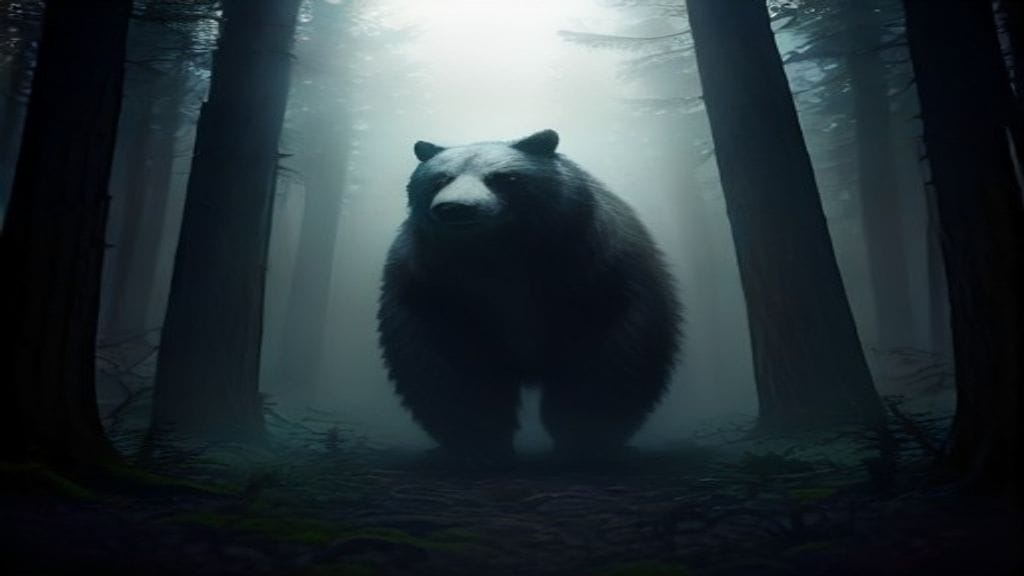
A bear is a creature of contradictions. It can stand still and look gentle, then move with astonishing speed. It sleeps through winter and wakes up hungry. It is among the most powerful animals in the forest and yet, in the spring, can be seen rolling in grass with its cubs. That mixture makes bears vivid dream visitors, and their meaning shifts with the way they behave.
This article looks at bears in dreams from a gentler angle than the classic chase. It explores themes of protection, strength, solitude and the need to retreat and rest, and shows how details, such as a mother bear, a sleeping bear or a bear in your home, alter the message.
What bears bring to a dream
Strength with restraint
Bears are enormously strong, but they usually avoid conflict and prefer to eat, forage and rest. In dreams, they often represent power that does not need to prove itself. If you felt respect for the animal, the dream may be reflecting your own capacity for calm strength.
Protection
Mother bears are famous for defending their cubs. A bear that stands between you and danger can stand for a protective force: a parent, a mentor, your own instinct to keep yourself safe. If you were the protected one, it may reflect a wish to be looked after.
Hibernation and rest
The bear’s winter sleep is a natural symbol for withdrawal and restoration. Dreaming of a sleeping bear or a den can mean that you need retreat, quiet and slower days. It may be a message that rest is not laziness but part of a healthy cycle.
Solitude
Bears are largely solitary. A bear in a dream may point to a period of self-reliance, or to a longing for time alone, away from the demands of social life.
Instinct and the wild
Bears also represent the untamed side of life. They may signal that natural impulses, appetite, anger, protectiveness, are asking for acknowledgment.
Scenes and what they suggest
- A calm bear nearby: peaceful power; trust in your own strength or in a protective presence.
- A sleeping bear: rest, retreat or something dormant that will wake in time.
- A bear and her cubs: nurturing, family protection and boundaries.
- A bear in your house: strong instincts or emotions in your private life; the need to make room for rest or anger.
- Feeding a bear: giving energy to a powerful aspect of yourself or a strong person.
- Hugging a bear: acceptance of your own strength and shadow.
- Being a bear: embodiment of power, protection or a wish for solitude.
- A polar bear: endurance in cold or isolating conditions.
- A teddy bear: comfort, childhood and emotional safety.
Cultural threads
Across the northern hemisphere, bears appear in myths and folk traditions as symbols of healing, kingship and rebirth after winter. Some Indigenous traditions regard the bear as a teacher or medicine animal. In other cultures it appears in festivals marking the return of spring. These associations vary and should be treated respectfully and with caution. If a tradition from your family or region speaks to you, that personal connection may be the most meaningful layer of the dream.
When bear dreams tend to appear
Bear dreams cluster around times of burnout, major responsibility or protection of others. New parents, caregivers and people in leadership roles report them often. They may also arrive during autumn and winter, when the body craves rest. Whenever the pace of life is high, the bear may be a reminder to slow down.
Questions to reflect on
- Where do I need the calm, grounded strength of a bear?
- Who protects me, and whom do I protect?
- Am I giving myself enough rest, or running without pause?
- What would my hibernation look like in practical terms?
- Which of my instincts have I been ignoring?
Practical ways to use the symbol
Honour the cycle of rest. Plan a retreat, even a short one, in which you switch off work and simply recover. It might be a long weekend, an evening without screens or a slow morning. Treat it as seriously as any other appointment.
Check your protective boundaries. A mother bear does not apologise for guarding her cubs. Ask what, in your life, deserves a similar level of defence, and whether you are doing enough to protect it.
Celebrate your strength. Write down three occasions when you handled a hard situation well. Strength that is acknowledged can be used more consciously.
If solitude is a theme, decide whether it feels nourishing or isolating. A bear alone is content; a person alone may feel cut off. Both are valid, but only you can tell which describes you.
A caring note: if exhaustion, low mood or withdrawal has become constant, a doctor or counselor can help. Rest is healthy, but persistent withdrawal that feels heavy is worth talking about.
Frequently asked questions
Is dreaming about bears good or bad?
Neither by default. A calm bear tends to carry positive messages of strength and rest; an aggressive bear points more to fear or anger.
What does a bear cub mean?
A cub symbolises emerging strength, innocence or something vulnerable you want to protect.
Why do I dream of bears in winter?
The link to hibernation and the season can bring the animal to mind. It may also reflect a natural urge to slow down.
How is this different from a bear chasing me?
A chase points to avoidance and fear. Calm bear dreams focus on strength, protection and rest.
A short example
A father of three who worked long hours began dreaming of a large brown bear sleeping in a corner of his living room. At first he found it funny, then oddly comforting. He realised that he had not allowed himself to rest for a long time. He negotiated one early finish a week and began taking a quiet walk on Sundays. The bear went back to the woods in his dreams, replaced by pleasant landscapes. The animal had been a gentle insistence that rest was allowed.